Pop Photonics
- Academia
- Industry
- Other
- Engineering
- Telecommunications
- Health
- Agrifood
- Art
- Energy
- Research
- Technology-Transfer
- Business-Development
- Communication
- IP
- Technical
- Diversity
- Women
- Skills
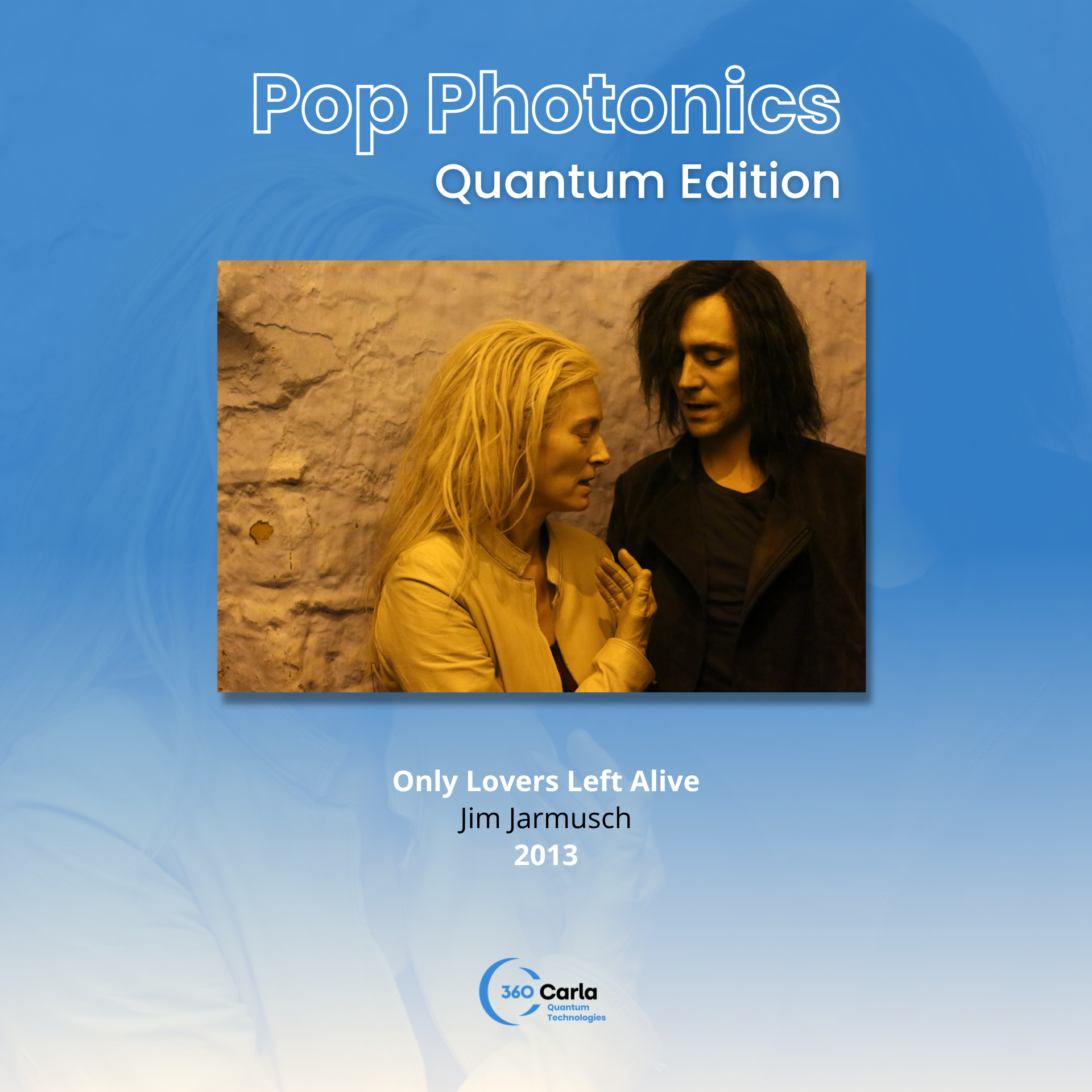
Only Lovers Left Alive - Jim Jarmusch (2013)
In Only Lovers Left Alive, Tilda Swinton and Tom Hiddleston whisper sweet nothings about… quantum entanglement. What sounds like poetic romance is actually one of the wildest and most powerful phenomena in quantum physics.
Quantum entanglement isn’t just romantic: it’s the backbone of ultra-secure quantum encryption.
It helps create spy-proof keys using light itself. Even future quantum computers can’t crack them.
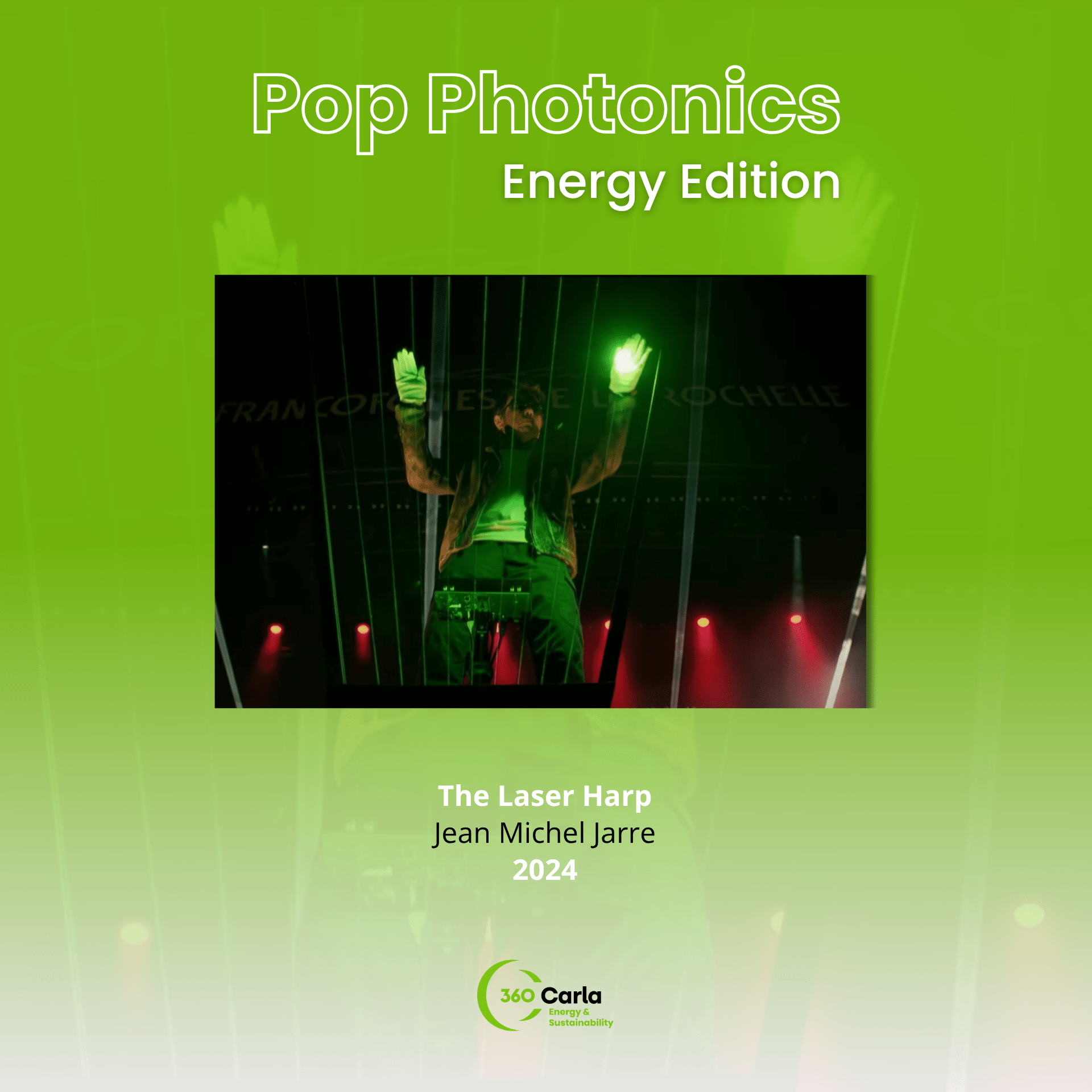
The Laser Harp - Jean Michel Jarre (2024)
In Jean-Michel Jarre’s iconic performances, beams of light become music in The Laser Harp, but this isn’t just 80s synth wizardry. It’s pure photonics in action.
The Laser Harp uses real laser beams and optical sensors to turn gestures into sound. Every time the performer’s hand “plucks” a beam, it breaks the light path and triggers a note. No strings, just light and precision.
What looks like sci-fi stage magic is actually a clever use of beam interruption and photodetectors, the same principles behind motion sensors, factory automation, and even safety systems.
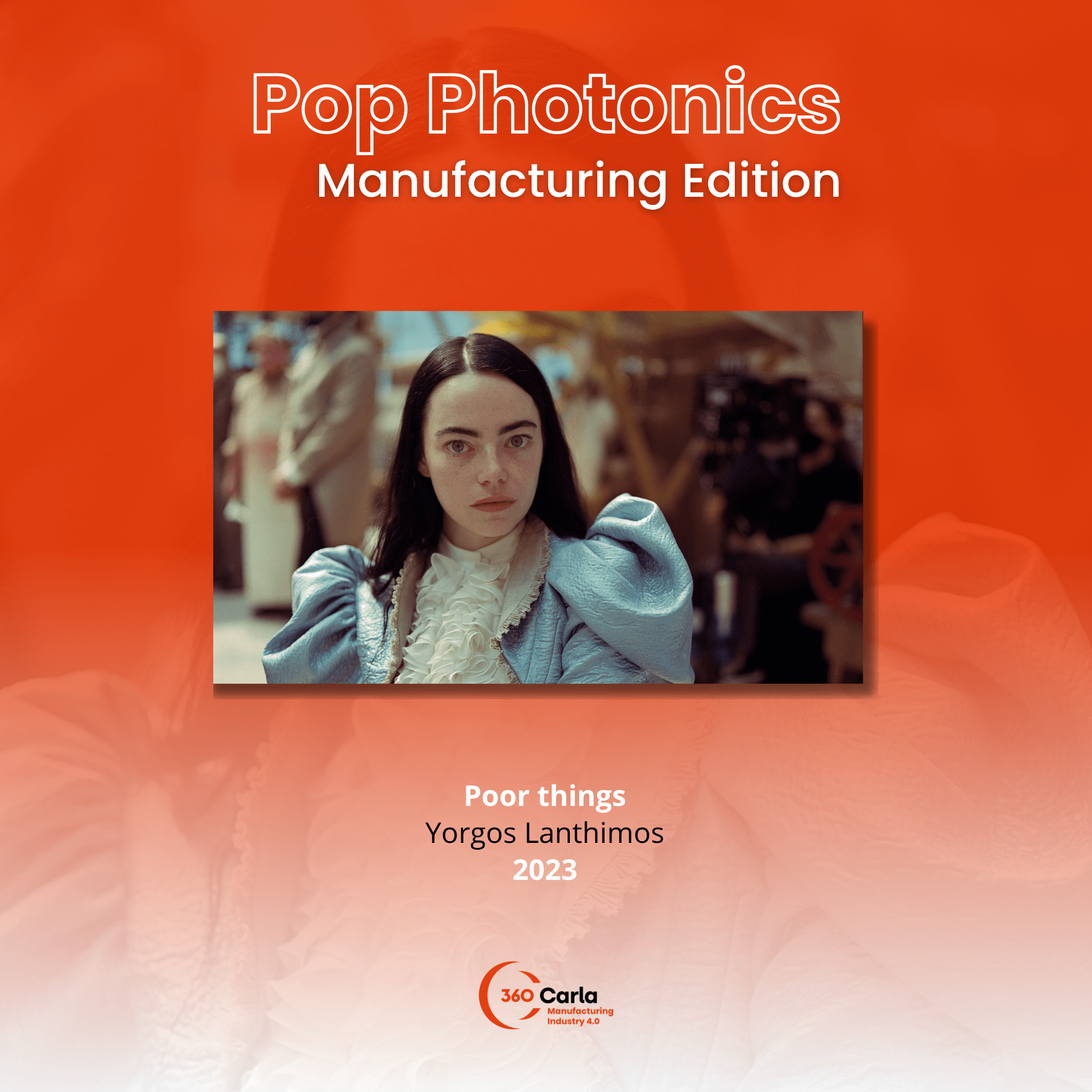
Poor things - Yorgos Lanthimos (2023)
In Poor Things, the dreamy, curved edges of the frame aren’t just aesthetic—they’re a nod to the Petzval effect. This vintage lens phenomenon guides your eyes to the main subject with a soft, cinematic blur.
The Petzval effect comes from the lens’s field curvature: sharp in the center, blurred at the edges. It’s why some films feel magical and intimate, creating that classic “cinematic” vibe.
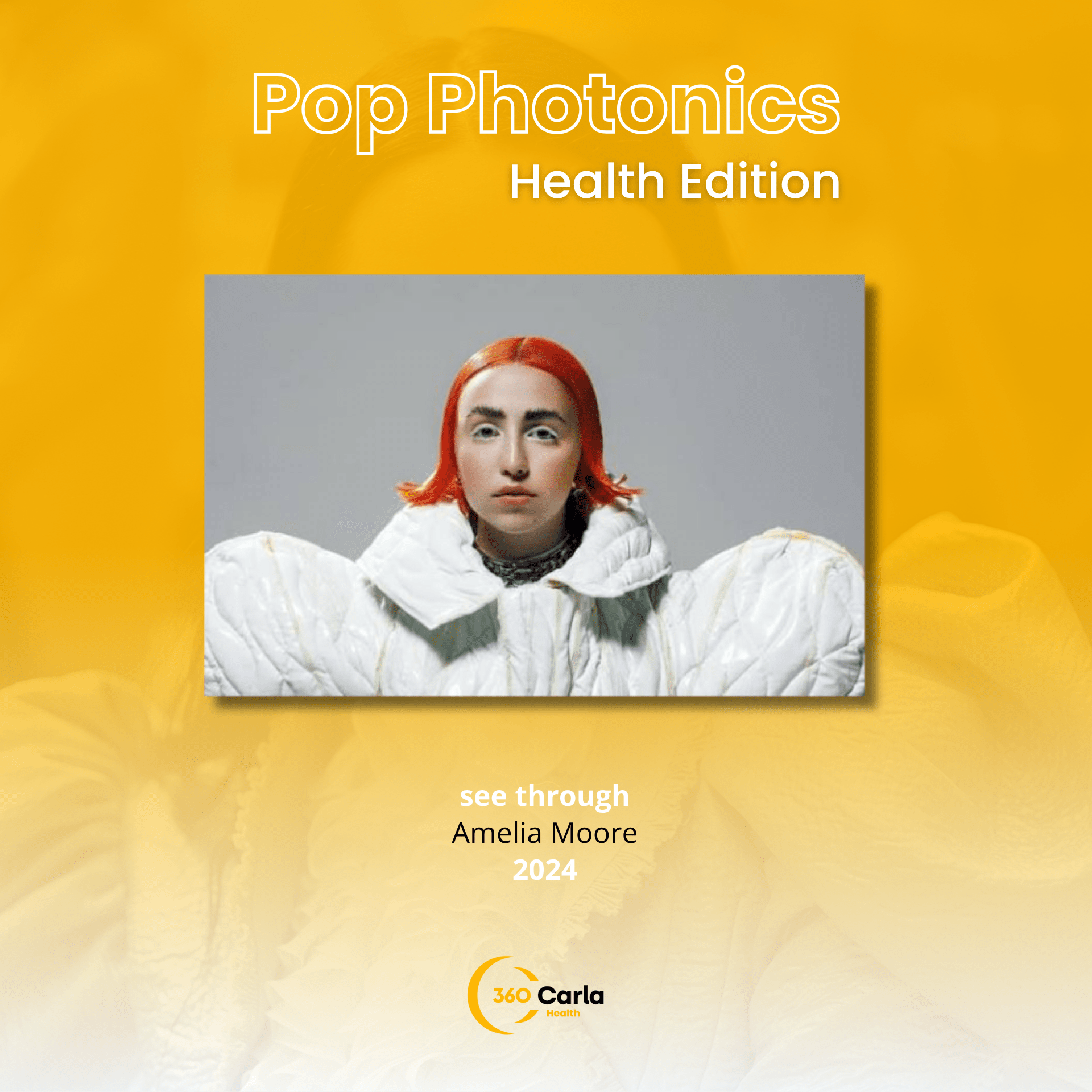
see through - Amelia Moore (2024)
Amelia Moore said “I’m see-through for you.”
What if seeing through things wasn’t just a metaphor?
Optical Coherence Tomography (#OCT) uses light to look beneath the surface of tissue, revealing structures that our eyes can’t see without a single incision.
By analysing how light interacts with tissue, OCT can create detailed cross-sectional images of what lies beneath the surface. It is a powerful tool for applications such as eye care and biomedical imaging.
See through, literally.